


 사회
사회

- 美중부사령부, 부시 항모전단 투입…수리 중인 포드호 대체
- 법원, 한학자 구속집행정지…내달 30일까지 석방
- 트럼프 또 ‘나토 패싱’ 위협…유럽 “최악 시나리오될라” 초조
- NASA ‘아르테미스Ⅱ’ 발사 D-5…우주비행사 “달로 갑시다”
- 美-인도 정상통화에 참여한 일론 머스크… “전시에 이례적 사례”
- 협상이냐 지상전이냐…중동전쟁 한달째 이번주말 최대고비
close

- 애플, 구글서 AI 마케팅 임원 영입… ‘시리’ 개편에 박차
- 뉴욕증시, 주말 앞두고 위험 회피 확산…이틀째 급락 마감
- 국제유가, 분쟁 장기화 우려에 상승…브렌트 110달러대
- 뉴욕증시, 중동전 발발 이후 최대 하락
- “인플레 통제불능이면 금리 올려야 할수도”
- H마트, 북가주 더블린 매장 오픈… 매장 확대 ‘가속’
close
- 홍명보호 드디어 본격 월드컵 쇼케이스, ‘아프리카 예선 1위’ 강호와 맞대결... “결과·내용 모두 잡아야”
- “LEE 무조건 데려와” 아틀레티코, ‘블록버스터급 이적’ 예고... 그리즈만 대체자는 이강인뿐 “PSG와 전쟁 불사”
- [전익환 프로의 골프교실] 백스윙 탑
- SF 이정후, MLB 개막전서 4타수 무안타
- NBA,‘32개 구단’으로 확장 검토한다
- 홍명보호 북중미 월드컵 첫 상대 31일 가려진다
close
- 일본 최고 별미는 이곳에… 홋카이도서 먹어야 할 네 가지
- 슬기로운시니어생활 55회
- “폐 건강 위해선 금연뿐 아니라, 내장지방 관리도 중요”
- 암, 조기 발견 어려운 ‘침묵의 질환’ 예방이 최선
- 전쟁터 같은 여의도 점심시간… 속도를 거부한 셰프의 술상
- K푸드의 세계화와 ‘언어의 미식’
close
- 하늘이 무너지는 불합격 통보… 원하는 대학 불합격했다면?
- 올해 대학 ‘지원자·지원서’ 모두 증가
- 윈저 수학·과학 아카데미… 6~8학년 신입생 입학설명회
- 트럼프 행정부, 하버드대에 또 소송… “반유대주의”
- 대학 입시를 읽는 또 다른 지표 ‘일드’
- 리서치 프로그램 지원 준비
close

- [건강포커스] “청소년 운동·수면 하루 30분만 늘려도 당뇨병 위험 감소”
- 암은 유전이라 예방불가?… “5가지만 피하면 50%까지 예방”
- ‘어릴 때 살은 키로 간다’?… 감량 대신 찌는 속도 조절을
- 박지훈 “하루 사과 한 개로 버텼다”… 전문가 뜯어말린 이유
- “애들은 다 그래” 유독 산만한 우리 아이, 그냥 넘겼다간
- “몸에 좋다길래 따라했다가”… SNS 난리 ‘봄동비빔밥’의 함정
close
- 그저 감탄만… 여름밤 밝히는 ‘백야’와 ‘피오르’의 신비
- 고독한 청년의 범죄와 여인의 지순한 사랑 통한 구원에 관한 탐구
- 자연 파괴 비판ㆍ자유 찾아 아마존 강을 따라가는 ‘수상 로드무비’
- 본보, 그랜드 알프스(돌로미티 + 알프스 3대 미봉) 신청 마감
- 200만 찾는 일본 최고 축제, 유래는 중고등학생 미술 과제였다
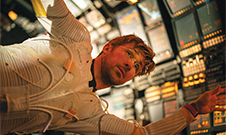
- [새 영화] 라이언 고슬링, 인류를 구하기 위해 우주 끝으로 날아가다
close

- 사진하고 실제 모습 다르네… 주택 시장 ‘하우스피싱’ 주의보
- 독서·취미·업무·식사를 한 공간에서…‘다이닝 라이브러리’
- 법은 바뀌었지만… 부동산 커미션의 현실
- 첫 집 구매, 설렘보다 준비가 먼저다
- 왜 안 팔리나 했더니… ‘기초 문제·낡은 주방·외관 미흡’ 등
- ‘부동산·주식’ 변동성 다시 커져… 더 나은 투자처는?
close

- “마약 누명, 힘들었다”..비운의 배우 이상보, 데뷔 20주년에 비보
- ‘복귀 각을 재는가?’..이휘재·지나, 미운털 단단히 박힌 자들
- “조진웅, 지인들과 연락 끊었다”..행방묘연
- ‘그것이 알고 싶다’ 28일 원룸 속 미라, 인천 3년 6개월 시신 은닉 사건 추적
- 431억 소송 합의? 다니엘·민희진 “처음 들어”vs어도어 “없지 않아”
- ‘120억 家’ 장윤정, 숨길 수 없는 재력가 포스.. “가격표 안 보고 산다”
close
South Korea officially legalizes and regulates the Bitcoin

South Korea officially legalizes and regulates the Bitcoin
Elan Zohar
Korea Times Student Intern Reporter





Brentwood School Senior
Since its founding in 2009 by an anonymous coder, the ‘bitcoin’ has skyrocketed not only in value, but in its number of users. Growth has been so exponential that countries have begun to tax and regulate the currency like any other form of money. With the rest of the world beginning to closely monitor the widely unknown world of bitcoin, the South Korean government finally decided to legalize and regulate the digital currency in mid July.
The concept and appeal of bitcoin is still a mystery to most of the world, even those in finance and business. In 2009, one bitcoin was trading for about eight hundredths of a US cent. Just eight years later, bitcoin hit its high at above $3,000 each. What is the reason for this incredible surge in popularity and value? Bitcoin‘s biggest draw to users is the fact that the currency is decentralized, meaning that transactions with bitcoin involve no middle men. This has its positives, but also many negatives that come along with it, at least in the eyes of governments around the world. The currency gives bitcoin traders the chance to seamlessly exchange the currency anywhere in the world, anonymously and instantly. Some argue that this is too much freedom for such a valuable currency. Drug purchasing, among other illicit activities, has always been present in the bitcoin community, and because of its anonymity, it is difficult for these buyers and sellers to be caught. As a result, more countries have sought to regulate the currency.
Most countries have not specifically addressed the currency, but still allow it to be legal. This gives traders the most flexibility when exchanging bitcoin. However, there has been a growing trend for countries to begin officially legalizing and regulating the currency, as South Korea did earlier this month.
The bitcoin in South Korea is especially prevalent. According to NextShark.com, an Asian-focused technology and business website, bitcoin trades in South Korea alone account for 14% of bitcoin trades around the world. This puts them at third in the world in that category, behind just the United States and Japan.
The regulations that South Korea has implemented mainly address money laundering. Additional data processing facilities are being built to monitor the anonymous and illegal side of the bitcoin world. Companies must retain capital of at least five million won in order to trade bitcoin. Although these regulations are being put in place, the popularity and usage of the bitcoin is expected to rise, now that South Korea has officially legalized bitcoin service providers.
Since the currency is still just in its early years, there is definitely uncertainty regarding the future of the bitcoin. However, with the incredible skyrocketing of its price and popularity, the bitcoin does not seem to be slowing down anytime soon, and governments like South Korea’s want to get a hold on its trading before it become unmanageable.


<Elan Zohar>
Elan Zohar
Korea Times Student Intern Reporter
Brentwood School Senior
Since its founding in 2009 by an anonymous coder, the ‘bitcoin’ has skyrocketed not only in value, but in its number of users. Growth has been so exponential that countries have begun to tax and regulate the currency like any other form of money. With the rest of the world beginning to closely monitor the widely unknown world of bitcoin, the South Korean government finally decided to legalize and regulate the digital currency in mid July.
The concept and appeal of bitcoin is still a mystery to most of the world, even those in finance and business. In 2009, one bitcoin was trading for about eight hundredths of a US cent. Just eight years later, bitcoin hit its high at above $3,000 each. What is the reason for this incredible surge in popularity and value? Bitcoin‘s biggest draw to users is the fact that the currency is decentralized, meaning that transactions with bitcoin involve no middle men. This has its positives, but also many negatives that come along with it, at least in the eyes of governments around the world. The currency gives bitcoin traders the chance to seamlessly exchange the currency anywhere in the world, anonymously and instantly. Some argue that this is too much freedom for such a valuable currency. Drug purchasing, among other illicit activities, has always been present in the bitcoin community, and because of its anonymity, it is difficult for these buyers and sellers to be caught. As a result, more countries have sought to regulate the currency.
Most countries have not specifically addressed the currency, but still allow it to be legal. This gives traders the most flexibility when exchanging bitcoin. However, there has been a growing trend for countries to begin officially legalizing and regulating the currency, as South Korea did earlier this month.
The bitcoin in South Korea is especially prevalent. According to NextShark.com, an Asian-focused technology and business website, bitcoin trades in South Korea alone account for 14% of bitcoin trades around the world. This puts them at third in the world in that category, behind just the United States and Japan.
The regulations that South Korea has implemented mainly address money laundering. Additional data processing facilities are being built to monitor the anonymous and illegal side of the bitcoin world. Companies must retain capital of at least five million won in order to trade bitcoin. Although these regulations are being put in place, the popularity and usage of the bitcoin is expected to rise, now that South Korea has officially legalized bitcoin service providers.
Since the currency is still just in its early years, there is definitely uncertainty regarding the future of the bitcoin. However, with the incredible skyrocketing of its price and popularity, the bitcoin does not seem to be slowing down anytime soon, and governments like South Korea’s want to get a hold on its trading before it become unmanageable.
<Elan Zohar>
로컬뉴스
more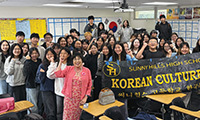
서니힐스 고교생 공연하는 `K-컬처 나잇’
“한인 고교생들이 만드는 한국 문화 공연에 많은 관심을 갖고 참석해 주세요”한인들이 다수 재학하고 있는 풀러튼에 있는 서니힐스 고등학교는 오는…
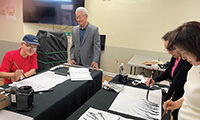
박승수 작가 매주 목 서예, 수묵화 강의
대한민국 문인화 대전 초대 작가 정산 박승수 씨가 매주 목요일 오전 9시30분부터 오전 11시까지 OC한미시니어 센터(9884 Garden G…
한미가정상담소 오늘 오흥길 박사 초청 세미나
‘번민하는 이웃과 함께’라는 모토로 활동하고 있는 ‘한미가정상담소’(이사장 수잔 최)는 27일(금) 오전 10시 이 상담소 강당(12362 B…
어바인 공공 도서관 주민 공청회 마련
어바인 시는 공공 도서관의 미래를 계획하며, 그레이트 파크 내 도서관 건립을 위해서 주민들의 의견을 듣는 시간을 마련한다.이번 공청회는 4월 …
어바인 경찰국 음주운전 단속
어바인 경찰국은 내달 3일(금) 오후 7시부터 오전 2시까지 잼보리 로드와 두폰 드라이버 인근에서 음주 운전 및 운전면허 점검 단속을 실시한다…
사람·사람들
more
한국일보 안내광고
- 렌트/리스/하숙
- 구인구직
- 중고차
- 전문업체
- 방3+화1.5+창고
- 방4+화3+2파킹
- 한남체인뒤 1Br $1,600
- 방3+화2+파킹4/$3,000
- 1)2Br+1Ba / $2,200
- 싱글 1Bed $1,000
- 싸이프레스 단층식 타운홈
- 부에나팍 2층식 타운홈
- LA 하우스 $3,500



- 1
 후티발 중동위기 악화…홍해 막히면 사우디 참…
 - 2
 중동전쟁 휘말린 우크라…걸프에 방공기술 전하…
 - 3
 보수행사 CPAC 여론조사서 차기지도자 1위…
 - 4
 ‘BTS공연’ 외국인들, 광화문·명동 몰렸다…
 - 5
 월드컵 개막 멕시코시티서 올해 2달간 살인만…
 - 6
 “미국에 왕은 없다”…미 안팎서 反트럼프 세…
 - 7
 “절대 안돼” 마가 저항에…텃밭 상원의원 후…
 - 8
 뉴욕서 팔레스타인 활동가 암살시도 親이스라엘…
 - 9
 ‘유부남과 키스’ 숙행, 불륜 소송 비대면 …
 - 10
 OECD가 쏜 신호탄… ‘중동발 취약’ 한국…
- 11
 靑, 李대통령 ‘北 사과하겠나’ 발언에 “남…
 - 12
 이란戰에 세대별로 갈라진 ‘마가’…트럼프, …
 - 13
 ‘음주 혹은 약물 운전’ 우즈, 보석금 내고…
 - 14
 ‘5이닝 BBBBB’ 두산 출신 외인 LAD…
 - 15
 대형마트 “1인당 1매만 됩니다”
 - 16
 “죄송합니다” 0:4 대패→손흥민 고개 숙였…
 - 17
 방탄소년단 ‘아리랑’ 英오피셜 1위 찍었다.…
 - 18
 법무부, 파라마운트-워너브러더스 반독점법 조…
 - 19
 미군 1만7천명 투입대기… “이란 내… 2
 - 20
 예멘 반군, 공식 참전 선언…호르무즈 이어 …
- 21
 美 해군·해병대 3천500명 중동 배치 완료…
 - 22
 “내 남자 ♥도끼” 이하이, 열애 인정..본…
 - 23
 “미국에 왕은 없다”…미 안팎서 反트럼프 세…
 - 24
 “마약 누명, 힘들었다”..비운의 배우 이상…
 - 25
 ‘제2의 김연아’ 화려한 시니어 세계선수권 …
 - 26
 NASA ‘아르테미스Ⅱ’ 발사 D-5…우주비…
 - 27
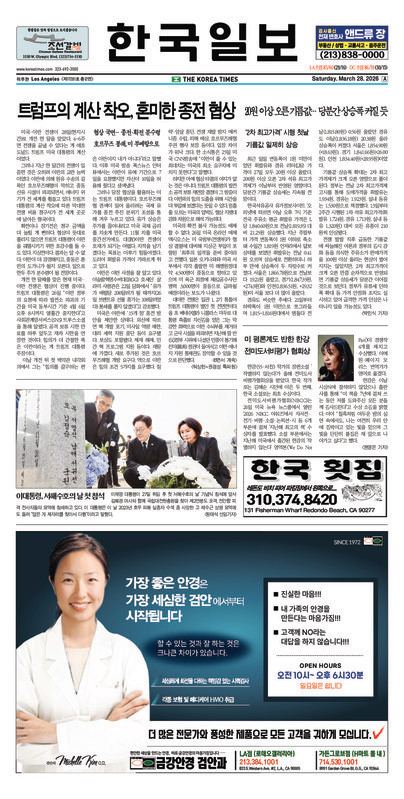
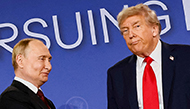
 트럼프의 계산 착오, 혼미한 종전 협상
 - 28
 韓, 외국인 유학생 31만명 ‘역대 최다’……
 - 29
 “공개파일에 신상정보 노출”…엡스타인 피해자…
 - 30한인 보육교사 3세여아 폭행혐의 체포







오피니언

항공 불안·공항 혼란 이대론 안 된다
-
치안과 직결된 가로등 보수 시급
 신상철 / 고려대 문화유산융합학부 교수
 미술 다시보기
- 성민희 수필 평론, 소설가
[윌셔에서] 기억에 불이 켜지는 시간
- 이영창 한국일보 논설위원
[지평선] ‘올 아메리칸’ 82공수의 운명
- 오세정 서울대 물리천문학부 명예교수·전 총장
[오세정 칼럼] BTS 성공 방정식과 그 시사점
 정숙희 논설위원
아르테미스와 오리온, 함께 달에 가다
 파리드 자카리아
 이란전을 통해 본 미래의 전쟁
- 성영라 수필가 / 미주문협 부이사장
[수요 에세이] 내 마음속에 저장
1/3
지사별 뉴스

“MLB 시즌이 돌아왔다”⋯메츠 개막전 승리
2026 미국프로야구(MLB) 시즌이 본격 개막한 가운데 뉴욕 메츠는 26일 퀸즈 플러싱 시티필드에서 피츠버그 파이리츠와 홈 개막전을 치렀다.…
뉴욕시 이민자 유입 70% ‘뚝’

“담배 가게들이 악의 소굴 됐다”
최근 버지니아 페어팩스 카운티에 우후죽순 늘어나고 있는 담배 가게들이 마약유통, 돈세탁 등 범죄 조직과 연관된 것으로 드러났다.카운티 경찰은 …
글로벌어린이재단VA, 내달 4일 ‘회원의 날’

“미국에 왕은 없다”…미 안팎서 反트럼프 세번째 대규모 시위
도널드 트럼프 대통령에 반대하는 대규모 시위가 28일 미국은 물론 유럽 등 세계 곳곳에서 일제히 열렸다.’노 킹스’(No Kings·왕은 없다…
2026년 국외 이북도민 고국방문단 모집




















- 로그인
- 회원가입
Koreatimes.com 서비스는 Ktown1st.com과 통합계정입니다. 계정이 없으신 분은 회원가입을 해 주세요.
.png)



댓글 안에 당신의 성숙함도 담아 주세요.
'오늘의 한마디'는 기사에 대하여 자신의 생각을 말하고 남의 생각을 들으며 서로 다양한 의견을 나누는 공간입니다. 그러나 간혹 불건전한 내용을 올리시는 분들이 계셔서 건전한 인터넷문화 정착을 위해 아래와 같은 운영원칙을 적용합니다.
자체 모니터링을 통해 아래에 해당하는 내용이 포함된 댓글이 발견되면 예고없이 삭제 조치를 하겠습니다.
불건전한 댓글을 올리거나, 이름에 비속어 및 상대방의 불쾌감을 주는 단어를 사용, 유명인 또는 특정 일반인을 사칭하는 경우 이용에 대한 차단 제재를 받을 수 있습니다. 차단될 경우, 일주일간 댓글을 달수 없게 됩니다.
명예훼손, 개인정보 유출, 욕설 등 법률에 위반되는 댓글은 관계 법령에 의거 민형사상 처벌을 받을 수 있으니 이용에 주의를 부탁드립니다.
Close
x