


 교육
교육

- 애경산업·아로마티카, 오프라인 유통망 입점…북미 공략 가속
- ‘트럼프 집토끼’ 비대졸 백인도 고물가에 이탈…반대 54%
- “싫어하는 발언한 방송국 처벌하려는 것”…ABC, 이례적 항의
- 미군, 동태평양서 마약운반 의심선 또 공격…2명 사망
- 밴스 “이란, 성실하게 협상…잠정안 합의 꽤 긍정적”
- 뉴욕 맨해튼서 백범 김구 탄생 150주년 전시… “한미동맹 전신”
close
- 공유 숙박 개척한 에어비앤비, 왜 18년 만에 호텔 주목했나[김창영의 실리콘밸리Look]
- LA에서 만나는 K-뷰티…올리브영, 미국 첫 오프라인 매장 열어
- 뉴욕증시 ‘종전 최종승인만 남아’ 소식에 최고치…나스닥 0.9%↑
- 국제유가, 이란 종전협상 마무리 소식에 혼조…브렌트 0.6%↓
- 오우라, 40% 작아진 초소형 스마트반지 ‘오우라 링5’ 공개
- 4월 PCE물가 전년대비 3.8%↑…고유가에 오름폭 확대
close

- ‘괴물 수비수’ 김민재, 홍명보호서 첫 훈련… ‘96즈 모였다!’
- ‘역시’ 손흥민, 메시·호날두 등과 ‘월드컵 라스트 댄스 레전드’ 선정
- ‘대단한’ 오타니 ERA 0.82, 손목 사구 다음날 6이닝 노히트 7K+9호포 폭발! ‘교체 투입’ 김혜성도 총알 안타... 다저스 5연승 질주
- MLB 관중 수용 규모…다저스타디움이 최대
- 김하성, 4타수 무안타… 2경기 연속 침묵
- 오클라호마시티, 샌안토니오 제압… 파이널 진출까지 ‘1승’
close
- 정어리 없는 사르데냐, 올리브 열리는 서귀포
- 일본인데 ‘사케’가 없다? 오키나와에선 ‘아와모리’ 마신다
- 슬기로운시니어생활 58회
- 한국적 닭맛 보여준 야키토리… 냉철한 눈으로 ‘살아남을 맛’ 찾았다
- 배에 힘주면 뇌가 청소된다 치매 막는 ‘3초 복근 펌프’ 움직임
- “몸보신 하려다 염증 폭탄”…여름마다 먹던 ‘국민 보양식’의 불편한 진실
close

- ‘못 받을거야’ 섣부른 짐작 금물… 대학 재정보조 신청 요령
- 여름방학 안에 도전할 만한 고등학생 실전 활동 5가지
- 불합격 대학 재지원?…다음 ‘학기·학년도’ 가능
- “재정보조 어필의 평가와 성공기준”
- 브라운 대학을 향한 여정: 의사 가운, 보장된 미래
- 아이비리그 밖으로 번진 ‘초저합격률’ 경쟁 시대
close
- [임영빈 박사 건강 칼럼] 파킨슨병 치료, 어렵지만 할 수 있다.
- “여름에 무조건 챙겨 먹어라”… 수박 속 성분 심혈관 살린다
- 양치 ‘333법칙’ 믿고 따랐는데… 오히려 이빨 다 상할 수 있다는데
- “이러다 관절 다 녹는다”…의사가 식탁에서 치우라고 경고한 ‘탄산음료’
- “헬스장 다녀도 소용 없다?”… 관절에 안좋은 최악의 자세
- 살 빠졌다고 좋아할 일 아냐… 50 넘어 주의해야 할 신호
close

- 휠체어 타고 바다로? 안 보여도 걷지 못해도 가능한 ‘무장애 여행’
- 아름답고 달콤한 포복절도할 로맨틱 코미디
- 다양한 장르를 잘 조율한 상큼하고 따스한 인물 탐구 영화
- 티라노 출몰 열대우림에 ‘다이빙’… 오키나와 대자연 속 테마파크
- 박찬욱이 열고 나홍진이 당긴다 … 칸의 중심에 선 K-무비
- 가장 별이 잘 보이는 이곳… 한국 유일 ‘다크스카이’ 보호구역
close

- ‘렌트 백’으로 계약부터 성사?…예상치 못한 위험 더 커
- ‘편안함·기능성’ 강조… 최신 웰빙 주거 트렌드
- 상업 건물의 진짜 몸값과 전략
- ADU, 이제는 선택이 아닌 부동산 전략
- 비싸지만 비싼 게 아니다… 신축주택 고려 이유
- 신축주택 ‘빌더 워런티’… 보장 ‘범위·기간’ 등 확인해야
close

- 최지수, 9년만 학자금 대출 완납에 눈물..3배 플렉스 자랑 [나혼산]
- 아이들, 포브스 ‘亞 30세 이하 30인’ 선정..글로벌 영향력 입증
- 나홍진 ‘호프’, 전 세계 200개국 ‘완판’..韓영화 역대 최고
- 지드래곤, 누명 벗은 친구 김수현에 ‘좋아요’→ ‘취소’.. “경솔하다” 의식했나?
- “내일은 더 행복” NCT 도영, 군장병 자살예방·유족 지원에 1억 기부
- 올해 최다 1위..방탄소년단 ‘SWIM’, 美 빌보드 ‘글로벌’ 차트 7번째 정상
close
Fast Fashion: Why Is It So Adverse?


Aiden Choi 학생기자 서니힐스 고교 11학년
To be blunt, the fashion industry will do anything to cut costs and increase profits, often at the expense of the environment and human rights. An underlying factor that allows both of these issues to flourish is the rise of outsourcing. Ever since the 1970s, the fashion industry has seen a shift from manufacturing in the West to production in countries such as China and those in Southeast Asia, following the broader trend of the West transforming into a consumer-based economy. By outsourcing their factories-simply moving production to cheaper locations around the world-these corporations are able to bypass the stricter workers‘ rights laws typically found in the U.S. and other Western countries. According to the BBC, in China, the largest garment-producing country, workers are often paid around 2,400 yuan ($327 USD) for shifts lasting more than 10 hours. As the Australian Human Rights Institute states, “Most major brands do not directly employ the workers or own the factories crucial to production, opting instead to outsource. Consequently, the risk of human rights abuse is higher, and such risk has consistently materialised in recent history.”
Furthermore, the fast fashion industry has detrimental impacts on the environment. It currently accounts for more than 10% of global carbon emissions, according to the Environmental Innovations Initiative at the University of Pennsylvania. By comparison, total maritime and air transport make up only about 5% of the world’s carbon emissions. In addition, fast fashion is not only damaging the environment through carbon emissions. A 2017 report from the International Union for Conservation of Nature (IUCN) estimated that 35% of all microplastics in the ocean come from textile production associated with fast fashion.
So, what is the takeaway? Are we all doomed, and is fast fashion the only way clothes can be produced without a massive markup? The answer to these questions is no. In addition to the many initiatives aimed at addressing human rights violations and environmental damage, there has been a recent shift in consumer behavior. Instead of buying from fast fashion corporations, many people are choosing higher-quality, custom-made clothing from smaller brands or purchasing secondhand items through apps like Depop. Participating in this change can be as simple as skipping that shirt from H&M and buying from a local thrift or clothing store instead. These actions may seem small on an individual level, but as Mother Teresa famously said, “Together we can do something wonderful.”
<Aiden Choi 학생기자 서니힐스 고교 11학년>
로컬뉴스
more
화토 산악회 이문현 회원 구순연 잔치
미주화토산악회(회장 양철승)는 지난 23일 풀러튼 서밋 레스토랑에서 90세를 맞이한 이문현 회원을 위한 구순연 잔치를 가졌다.‘90세에서 일단…

한미시니어 센터 야구 티켓 배부
OC 한미 시니어 센터(회장 김가등)는 오는 6월 10일(수) 오후 6시30분 애나하임 LA에인절스 구장에서 열리는 에인절스와 휴스턴 애스트로…
재난 대응 기술 강좌 CERT 아카데미 실시
재난 대응 기술을 배우는 ‘2026 CERT 아카데미 교육 과정재난 대비’ 프로그램이 실시된다.이 프로그램은 전문 구조대원이 즉시 도착하기 어…
“퀴즈로 풀어보는 한반도 평화와 통일”
“한인 2세들에게 한반도 역사와 평화 통일 지식 퀴즈로 학습해요”민주평화통일자문회의 오렌지 샌디에고 협의회(회장 곽도원)는 오는 6월 6일(토…
세리토스 도서관 여름 독서 프로그램
세리토스 시 도서관은 6월 1일부터 28일까지 ‘제51회 여름 독서 프로그램을 ‘세리토스 도서관 후원회‘ 후원으로 실시한다.도서관 카드 소지자…
사람·사람들
more
한국일보 안내광고
- 렌트/리스/하숙
- 구인구직
- 중고차
- 전문업체



- 1
 한국인들 참 즐겨 먹는데 “세계에서 가장 위…
 - 2
 “잠도 안 자고 밤새 클릭”…젊은 남자들 빚…
 - 3
 메디캘 재정 ‘초비상’… 수백만명 건강보험 …
 - 4
 외신도 주목한 정몽규 회장의 ‘깜짝 사퇴’……
 - 5
 트럼프 “종전협상 최종결정 위해 상황실 회의…
 - 6
 이란 “트럼프, 사실 거짓 뒤섞어 주장…MO…
 - 7
 댈러스에서 아파트 대형 화재…3명 사망·5명…
 - 8
 ‘PD수첩’ MC몽·차가원 논란 결국 꺼낸다…
 - 9
 트럼프, TV토론 참사 회고한 바이든 부인에…
 - 10
 ‘군복무’ 정동원 측 “루머 유포·관계자 사…
- 11
 ‘이럴수가’ 김하성 BOS전 끝내 결장이라니…
 - 12
 美, 협상 중대국면서 이란 석유 관련 제재 …
 - 13
 르세라핌 ‘붐팔라’→코르티스 ‘레드레드’, …
 - 14
 일가족 4명 총격사망 비극 엄마가 살해 후 …
 - 15
 “하루 4분 운동으로 혈당 잡는다”…‘스낵 …
 - 16
 “미·이란 종전 MOU 조항 최근 며칠새 변…
 - 17팰팍 30대 한인여성, ‘기업형 불법 성매매’
- 18뉴저지 운전자들 보험 해지 속출
- 19
 뉴왁 공항 입국수속 중단되나
 - 20
 뉴욕시∼뉴저지주 통근열차 구간서 화재…출근길…
- 21
 美, 북미무역협정협상서 미국산 車부품비중 5…
 - 22
 법원, 논란의 ‘前정권 사법피해자 기금’ 일…
 - 23
 한미일·EU 등 “北석탄 불법운송 선박 제재…
 - 24
 황광희, 지드래곤 편 논란에 사과 “잘못한 …
 - 25
 싸이, 광주 ‘흠뻑쇼’ 두고 대관 문제 발……
 - 26
 ‘올해의 뉴욕시 100대 레스토랑’한식당 7…
 - 27
![[韓사전투표]](http://image.koreatimes.com//manage/la/images/top2/1780078899_top2_image_3.jpg) [韓사전투표] 첫날 투표율 11.6%…역대 …
[韓사전투표] 첫날 투표율 11.6%…역대 … - 28‘에너지 비용 환급수표’받는다
- 29
 강선우측, ‘1억 공천헌금’ 혐의 부인… “…
 - 30
 한인 태권도 사범, 수년간 아동 성폭… 2


![[인터뷰]](http://image.koreatimes.com//manage/la/images/economy/1780033780_economy_image_0.jpg)







오피니언

화학물질 사태, 안전 불감증에 대한 경고
-
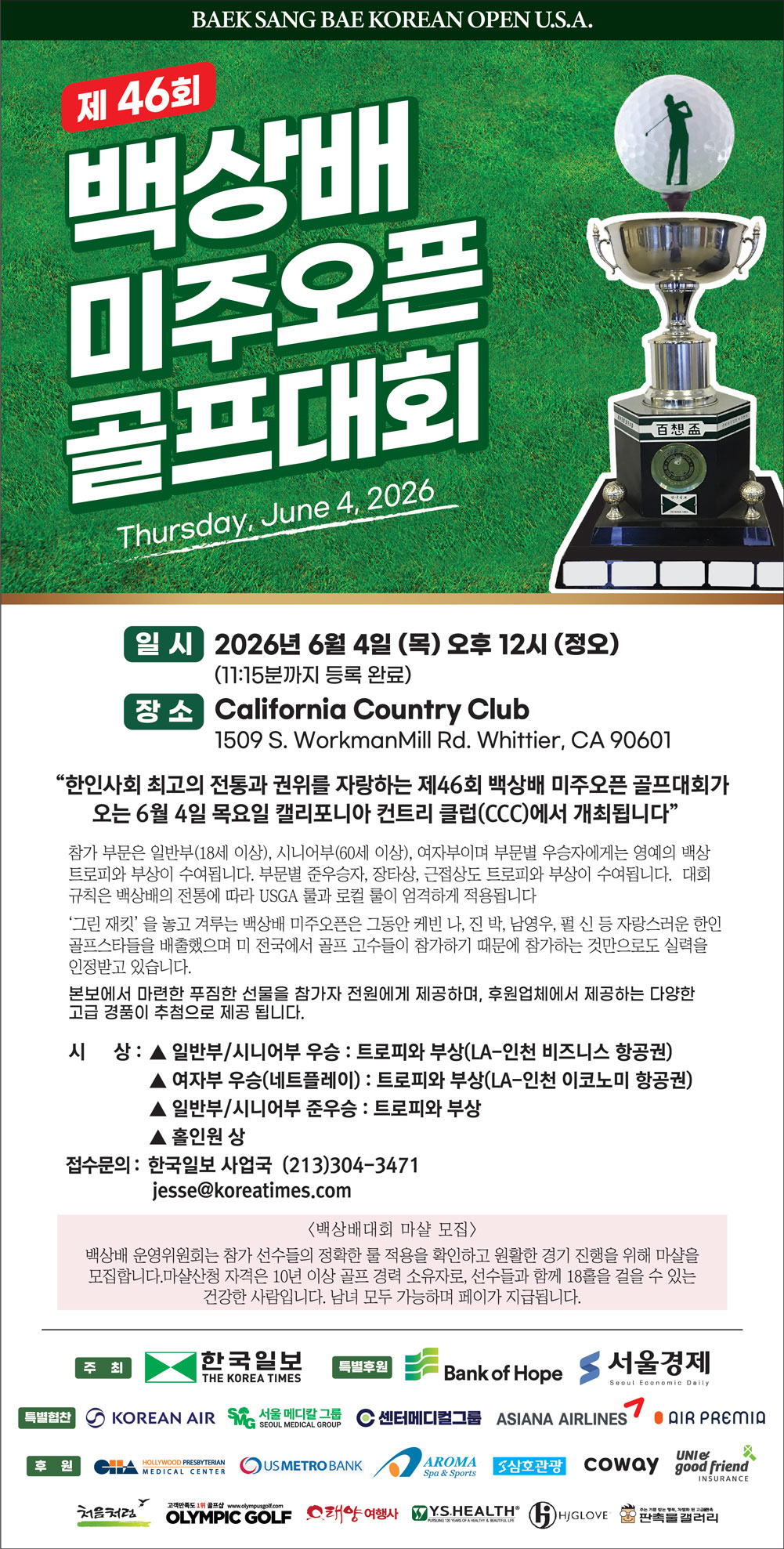
백상배, 한인사회의 ‘품격’과 ‘미래’
 이혜진 서울경제 문화부 선임 기자
[여담] AI 시대의 분배 전쟁… 승자는 누구인가
- 최형욱 서울경제 논설위원
[목요일 아침에] 기업 이익은 누구의 것인가
- 김정곤 서울경제 논설위원
[만화경] 3고시대의 ‘짠물소비’
- 성민희 수필 평론, 소설가
[윌셔에서] 바니타스(Vanitas)
 정숙희 논설위원
바그너와 두다멜과 프랭크 게리의 ‘발퀴레’
 파리드 자카리아
 트럼프 대통령의 무모한 두 번째 임기
-
[지평선] ‘카페인 우울증’ 도피
1/3
지사별 뉴스

뉴왁 공항 입국수속 중단되나
트럼프 행정부가 뉴저지 뉴왁에 있는 델라니홀 이민자 구치소의 시위 격화를 이유로 뉴왁 공항 등의 국제선 운항과 외국인 입국 수속 중단 계획을 …
뉴저지 운전자들 보험 해지 속출

“한반도 평화, 진보·보수 구분 없다”
한반도 평화에는 진보와 보수의 구분이 없다. 평화공존과 공동번영으로 나아가는 모두의 미래다.”미주민주참여포럼(KAPAC) 최광철 대표는 다음달…
VA 주정부 “직원 보육비 지원 기업에 재정 지원”

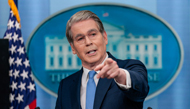
메디캘 재정 ‘초비상’… 수백만명 건강보험 박탈 위기
도널드 트럼프 행정부의 연방 의료복지 예산 축소 정책 여파로 캘리포니아주의 공공의료 시스템이 심각한 위기에 직면하고 있다는 경고가 나오고 있다…
‘제5회 오클랜드 이스트베이 한인회 골프대회’




















 | ||
|



- 로그인
- 회원가입
Koreatimes.com 서비스는 Ktown1st.com과 통합계정입니다. 계정이 없으신 분은 회원가입을 해 주세요.
.png)



댓글 안에 당신의 성숙함도 담아 주세요.
'오늘의 한마디'는 기사에 대하여 자신의 생각을 말하고 남의 생각을 들으며 서로 다양한 의견을 나누는 공간입니다. 그러나 간혹 불건전한 내용을 올리시는 분들이 계셔서 건전한 인터넷문화 정착을 위해 아래와 같은 운영원칙을 적용합니다.
자체 모니터링을 통해 아래에 해당하는 내용이 포함된 댓글이 발견되면 예고없이 삭제 조치를 하겠습니다.
불건전한 댓글을 올리거나, 이름에 비속어 및 상대방의 불쾌감을 주는 단어를 사용, 유명인 또는 특정 일반인을 사칭하는 경우 이용에 대한 차단 제재를 받을 수 있습니다. 차단될 경우, 일주일간 댓글을 달수 없게 됩니다.
명예훼손, 개인정보 유출, 욕설 등 법률에 위반되는 댓글은 관계 법령에 의거 민형사상 처벌을 받을 수 있으니 이용에 주의를 부탁드립니다.
Close
x